
THE MAKING OF
FOREVER SUMMER
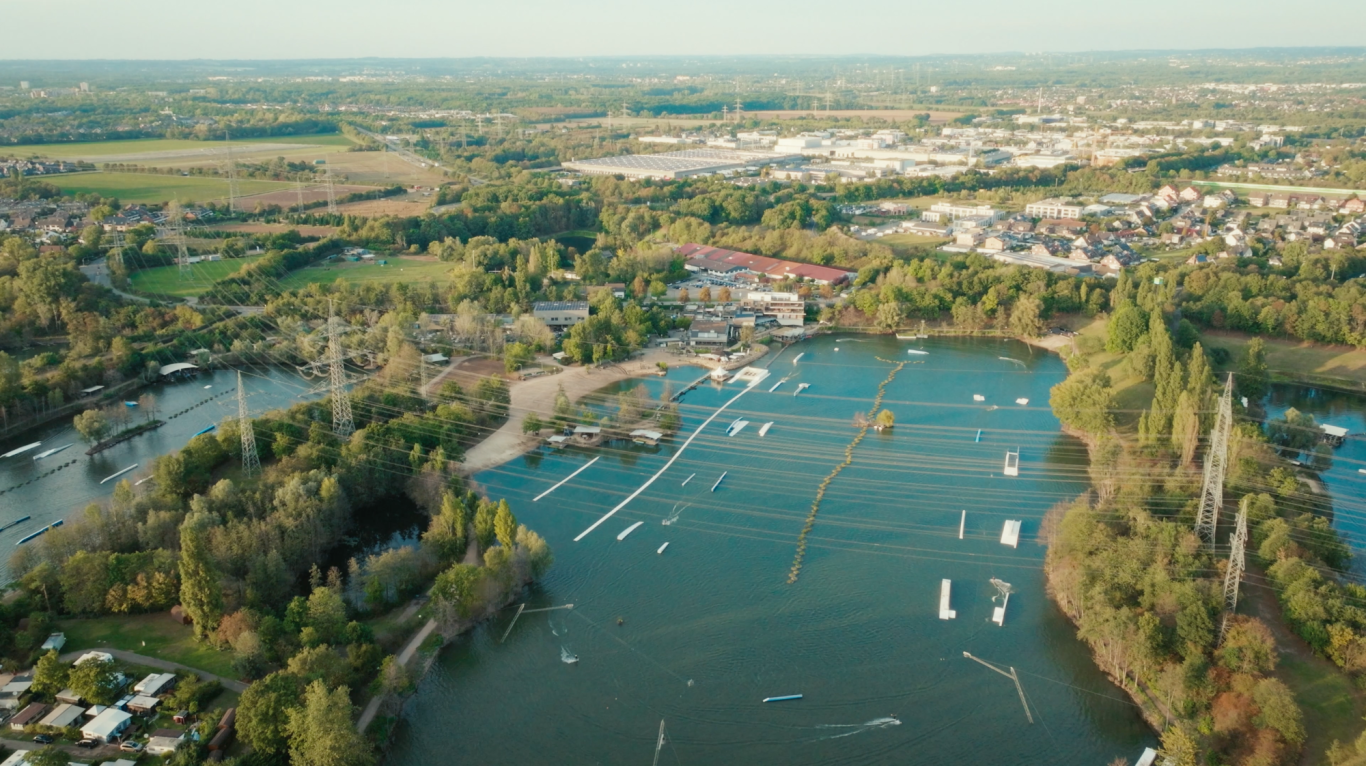
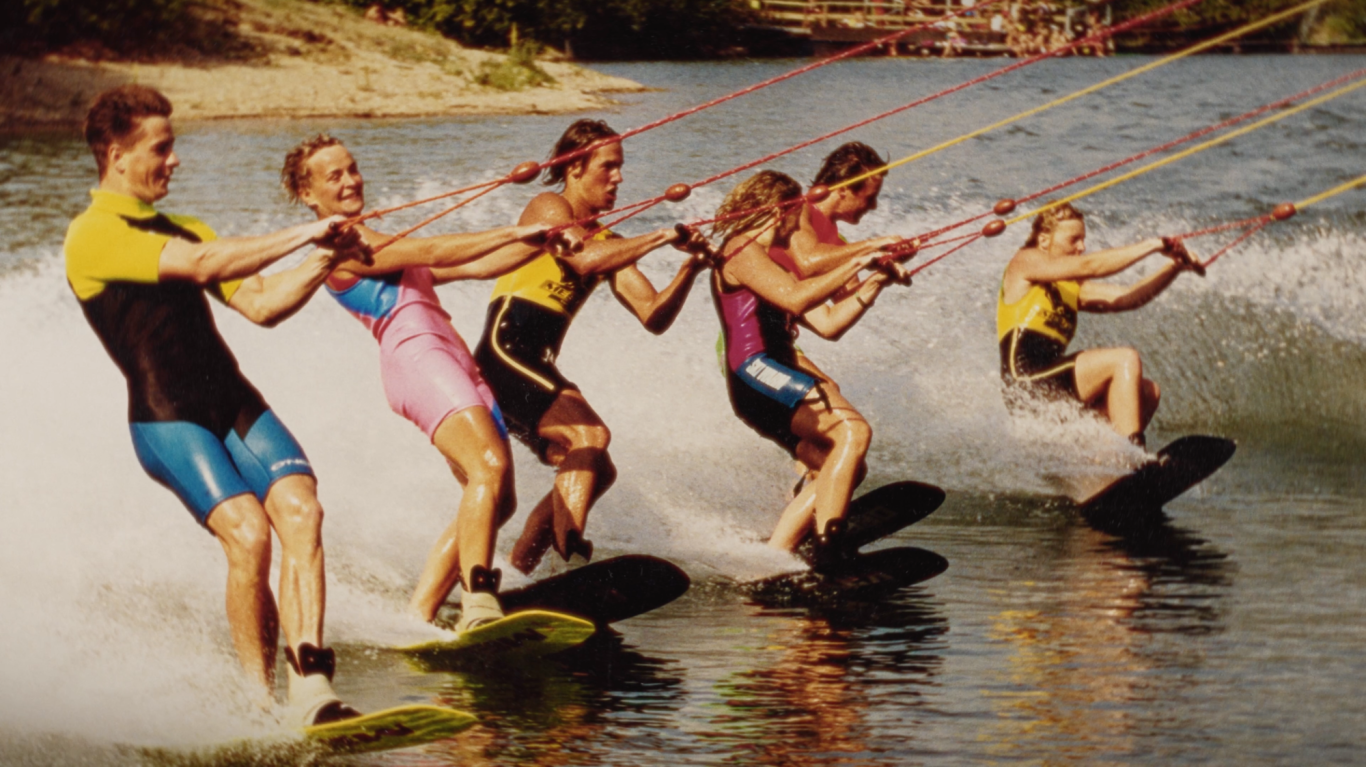
Some films are fully planned from the very beginning. This wasn’t one of them. What started as a documentary about 50 years of Wasserski Langenfeld slowly turned into something much more personal. A film about memories, change, family, passion and the a feeling certain places can carry for decades.
Over the course of more than 30 interviews, countless hours of archive footage, early mornings at the lake and months of editing, the story slowly revealed itself to us while we were making it.
Not as a classic wakeboard film.
Not as a commercial piece.
And not only for people connected to the sport.
This page is a look behind the scenes of FOREVER SUMMER — how the film came together, how the vision evolved and why this project became much bigger than we originally expected.
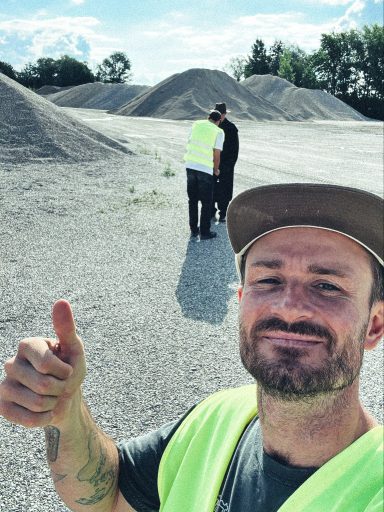
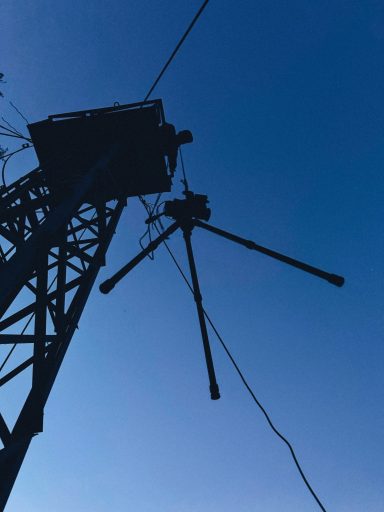
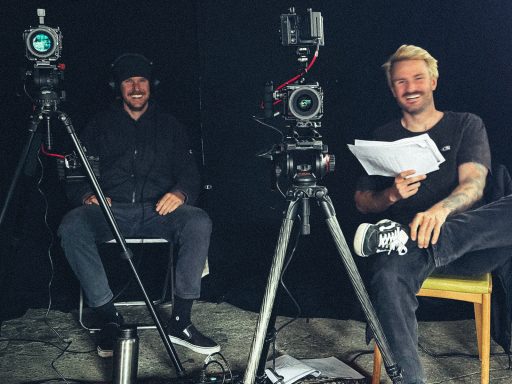
THE STORY OF WASSERSKI LANGENFELD
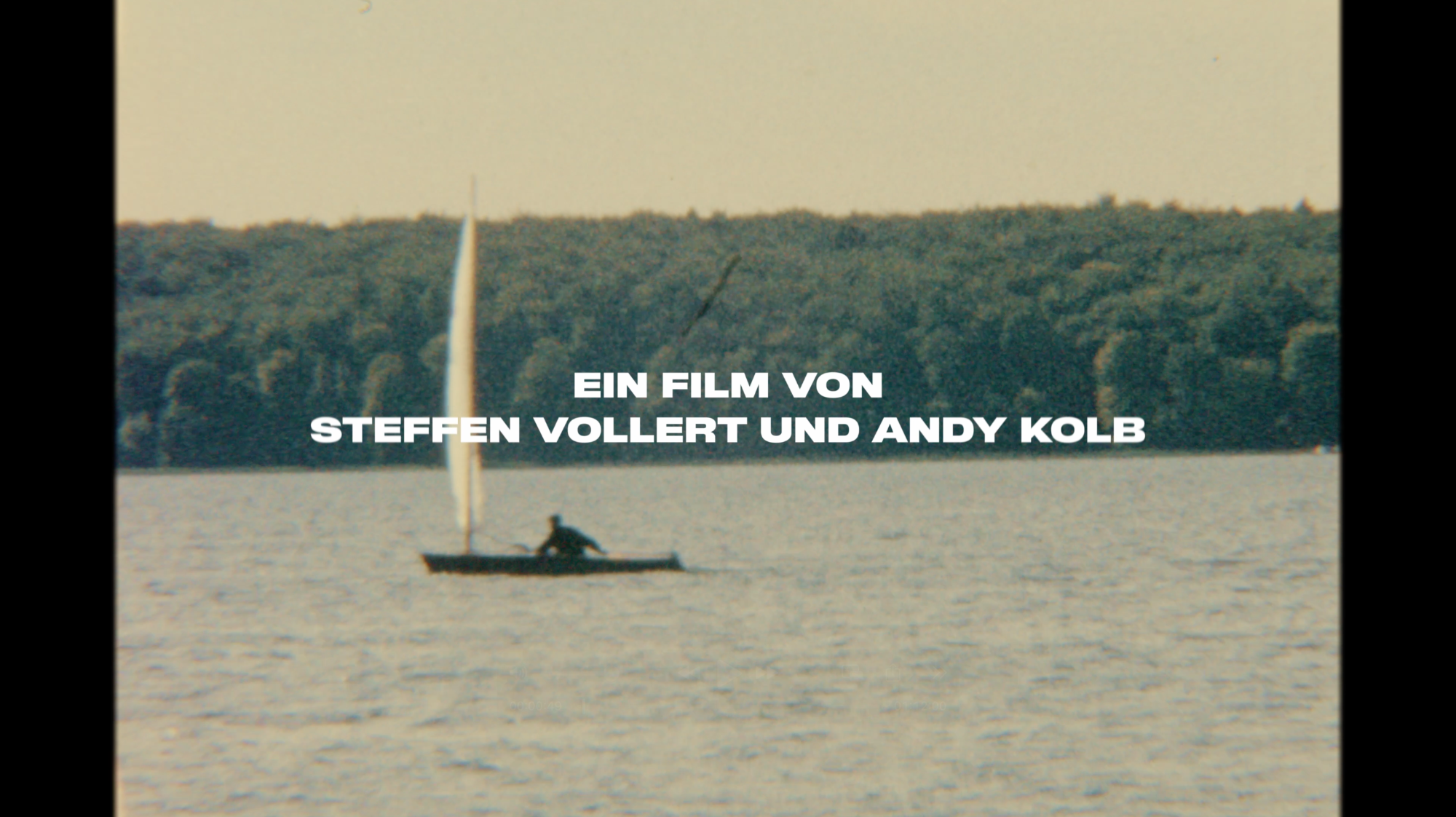
I always dreamed about making a full-length movie but never really planned on making one about the 50 year anniversary of Wasserski Langenfeld.
The 50-year anniversary honestly wasn’t even that present in my mind at first. I knew that Thulba — my homespot where I grew up riding — celebrated its anniversary two years ago. But Wasserski Langenfeld was always just… there for me. Not only as a place I visited two or three times a year over the last 20 years, but as a place where I experienced a lot of life. A place connected to my own story. But never as a project where I thought: “I absolutely need to make a film about this.”
The idea actually came from Benni and Flori Süß.
After LAO 2024, they brought it up for the first time. Just to see how I’d react and whether I could even imagine doing something like this. And honestly, I was immediately interested.
The desire to make a real film had always been there somewhere. Especially within the wakeboard world. At the same time, a lot had changed for me over the last few years. I had stepped back from the scene a little, worked on different projects and developed a different perspective on storytelling and visuals.
So the request didn’t just come at the right time — it also came with the right subject matter. I saw it as a huge opportunity to create something beyond a classic full-length wakeboard movie.
Still, my very first thought was:
“Yes. But only with Andy Kolb.”
I’ve known Andy for over 20 years. We’ve gone through many different phases of the scene together and I knew we looked at projects like this in a very similar way. Especially when it’s not just about making something look cool, but about creating a film that actually connects with people and feels honest.
Looking back, that was probably one of the most important decisions we made.
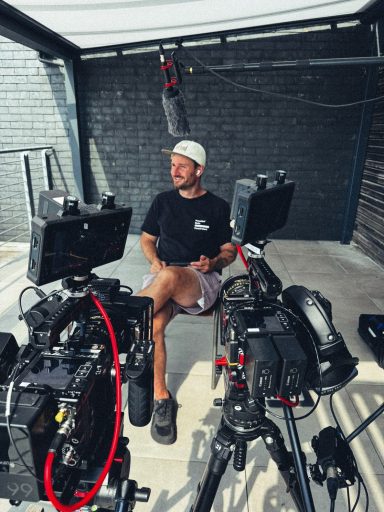
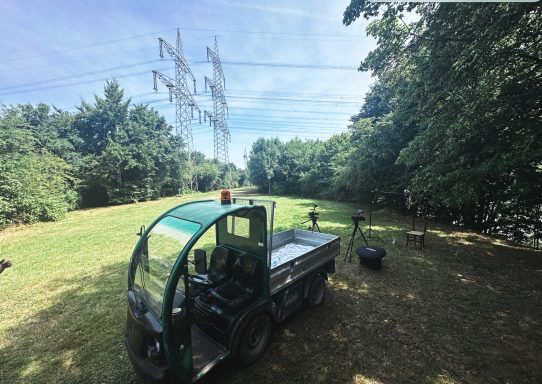
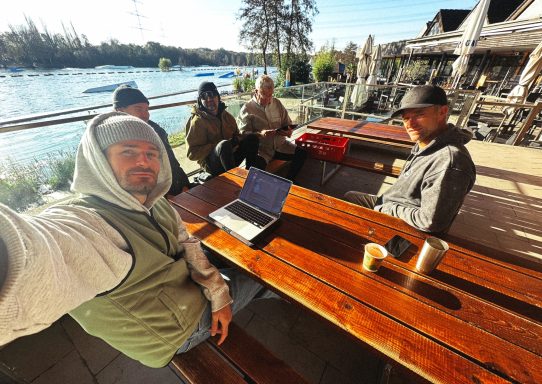
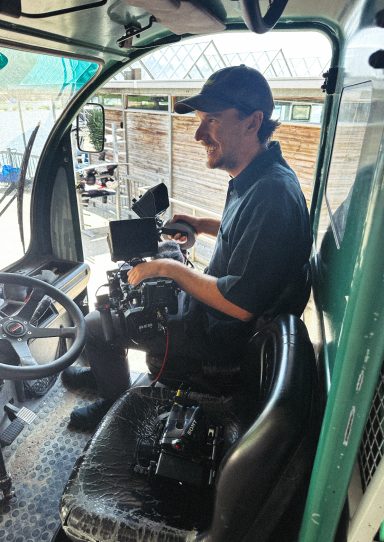
What We Never Wanted the Film to Become
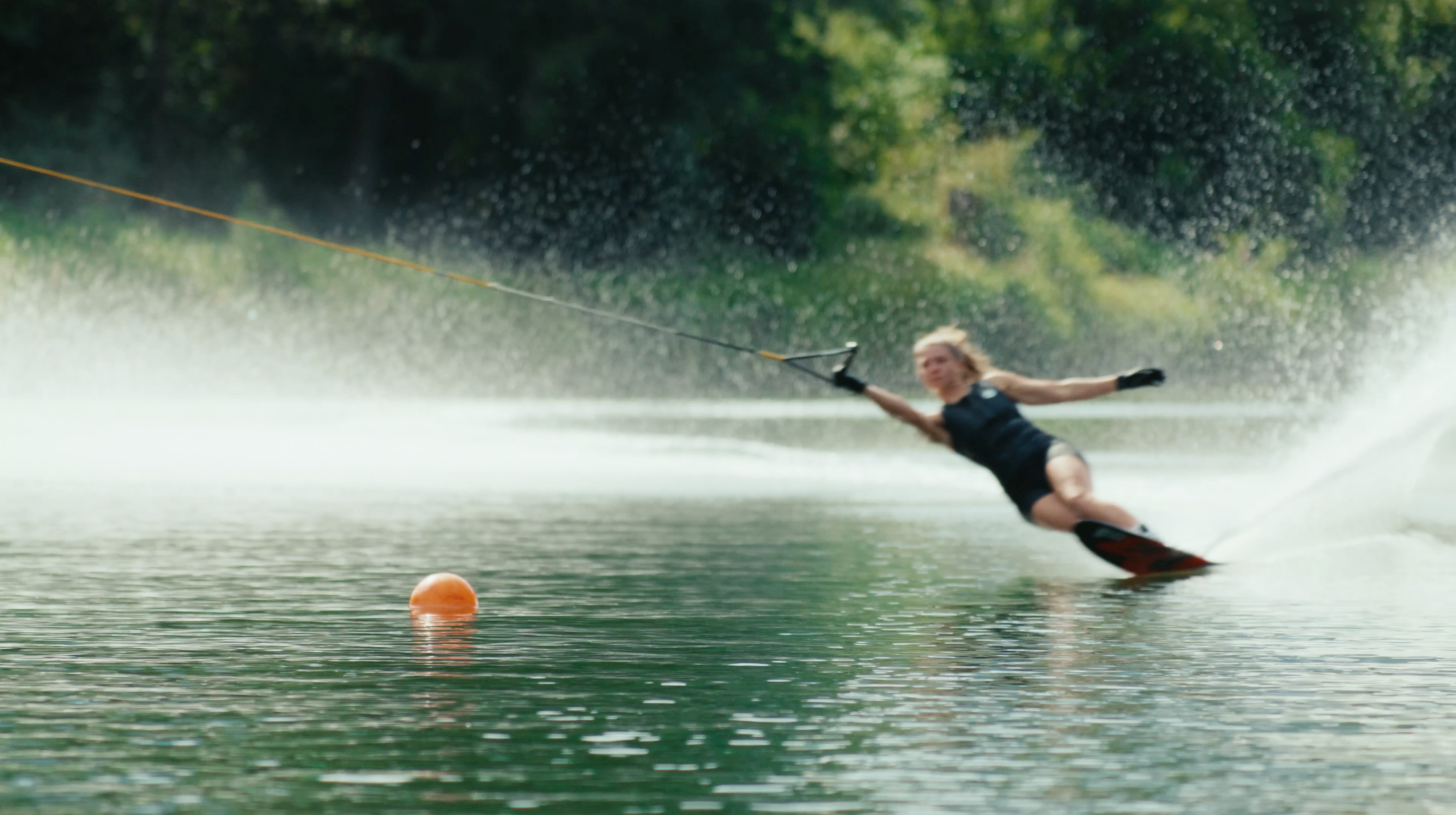
Pretty early on, we knew exactly what we didn’t want to make. No classic commercial film. No wakeboard highlight reel. No 70 minutes of tricks and “the good old days.”
Of course, it was still commissioned work. But Andy and I were way too emotionally connected to the subject to turn it into a polished image film. From the beginning, Wasserski Langenfeld gave us a huge amount of creative freedom. Sure, different script versions had to be approved, but we genuinely felt trusted throughout the entire process.
At first, though, the concepts went in very different directions. One version focused much more on the history of the lake itself. Another leaned heavily into the Süß family story. It was only during the process that we realized the combination of both was probably exactly what the film needed. Because in the end, the film may be about Wasserski Langenfeld — but it’s also about much more than that.
Family.
Passion.
Memories.
Change.
And the question of how you build something over decades and eventually have to let parts of it go.
That’s also why I think the film works for people who have absolutely nothing to do with wakeboarding or waterskiing. At first, even we didn’t fully realize that ourselves. But at some point, I kept telling Benni and Flo: “This film is going to mean way more to people than we think right now.” Not because it became bigger or more dramatic than planned — but because the themes inside it are universal.
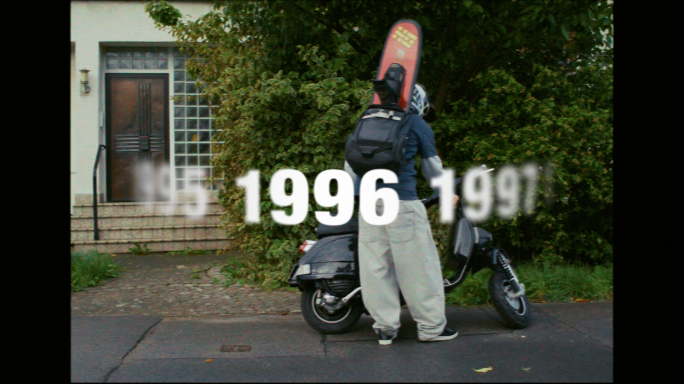
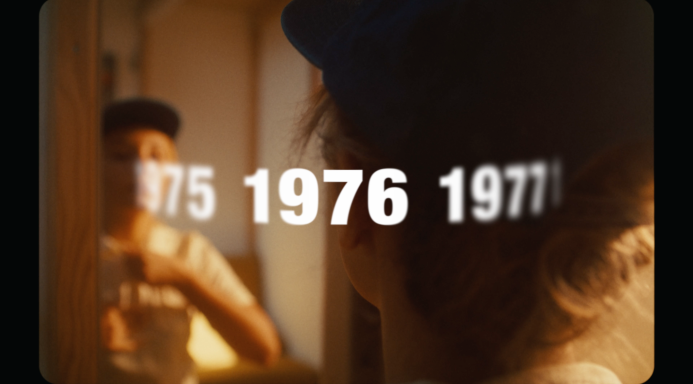
In November 2024, before the actual production began, we sat down with members of the Süß family and several other key personalities to figure out what stories we wanted to tell — and what this film could eventually become. After three days of interviews, we ended up with this collection of topics. Looking back now, it’s honestly kind of crazy to see how many of them actually found their way into the final film — and how we somehow managed to build a structure that gave most of them space.
The Film Really Took Shape During Production
Looking back, it almost feels wrong to say that we fully planned this film out from the beginning.
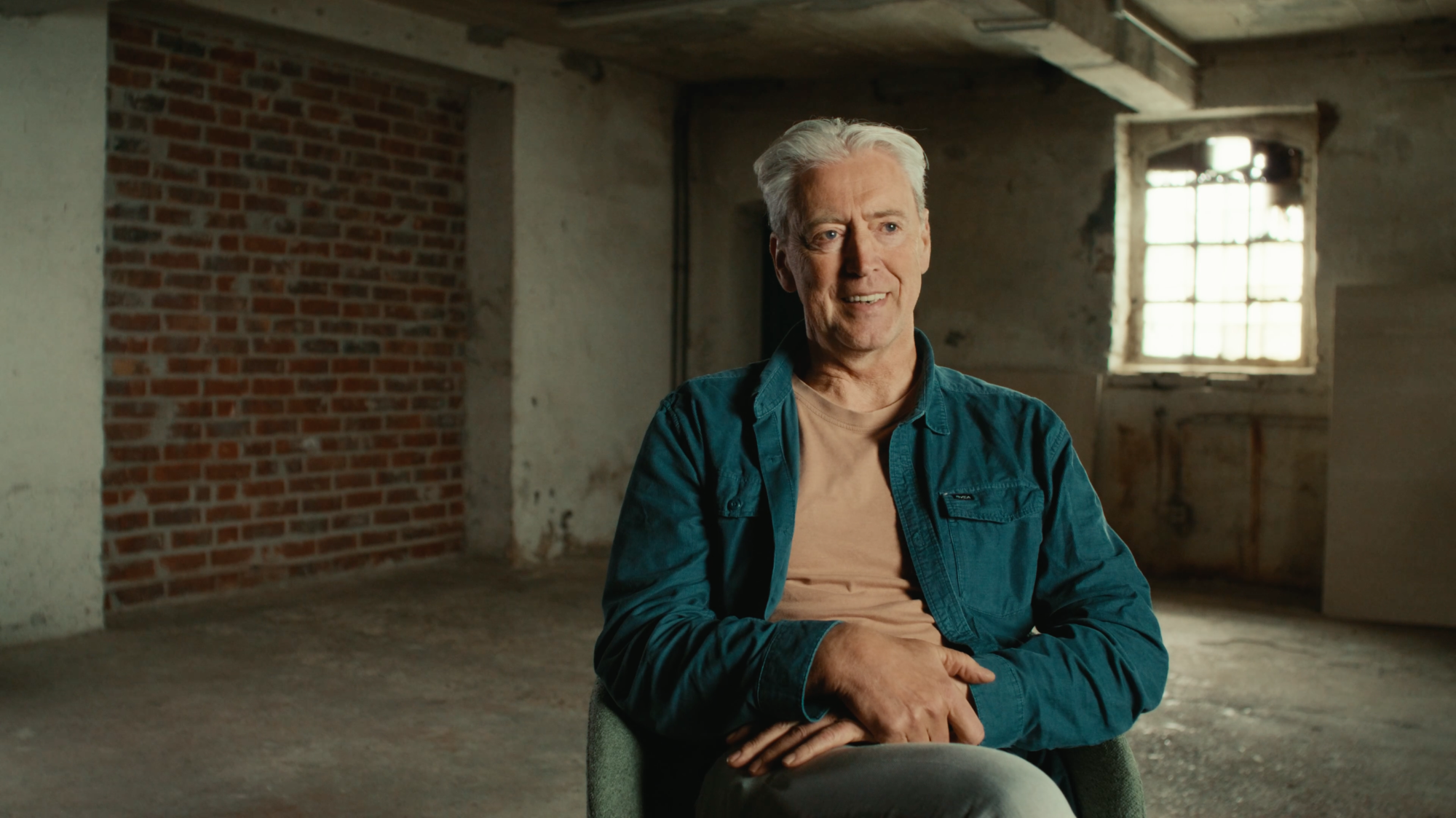
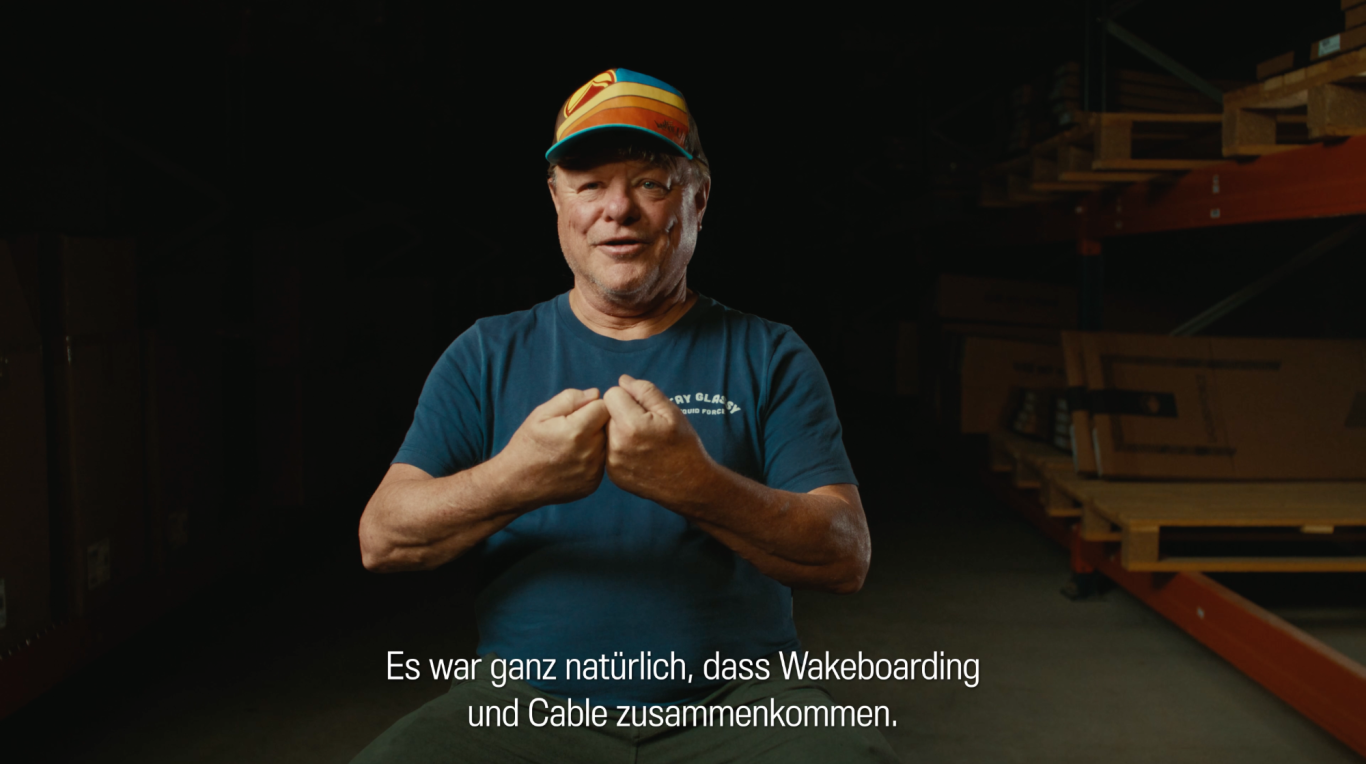
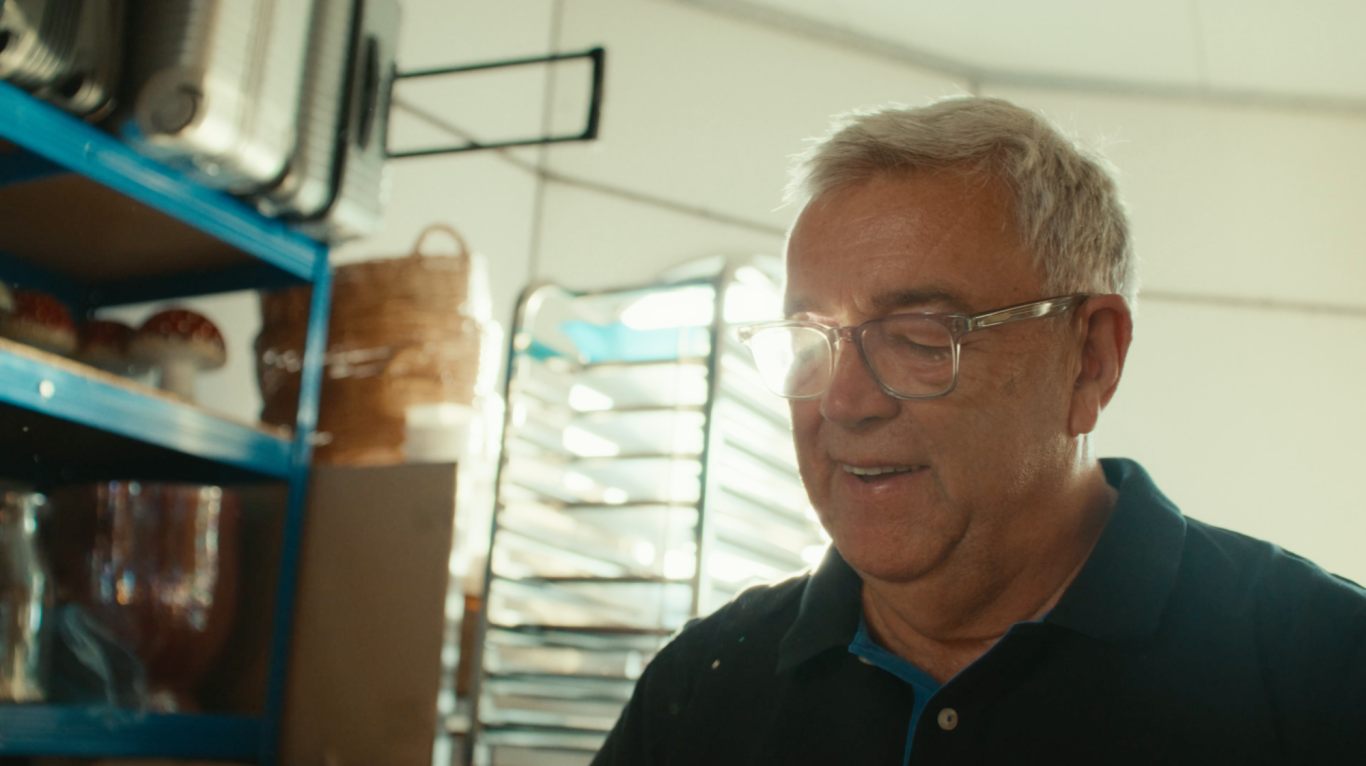
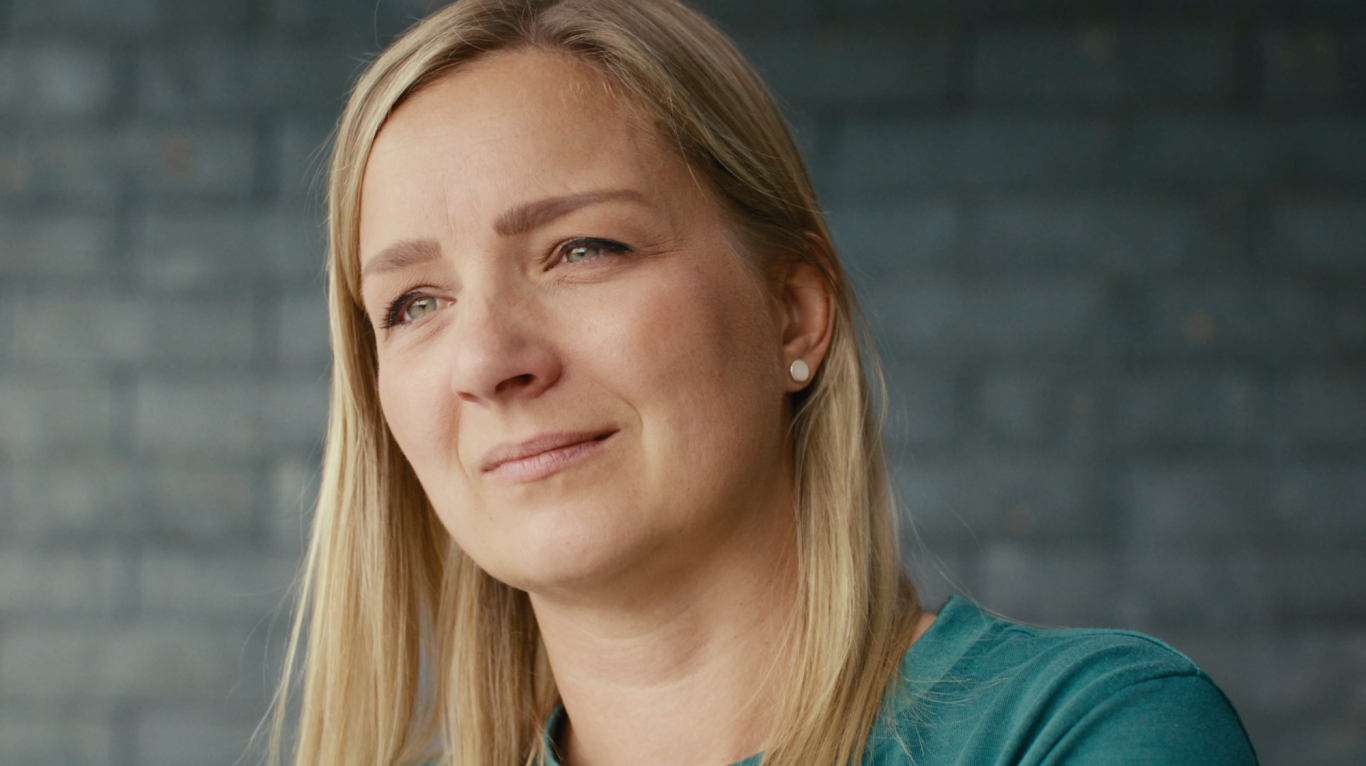
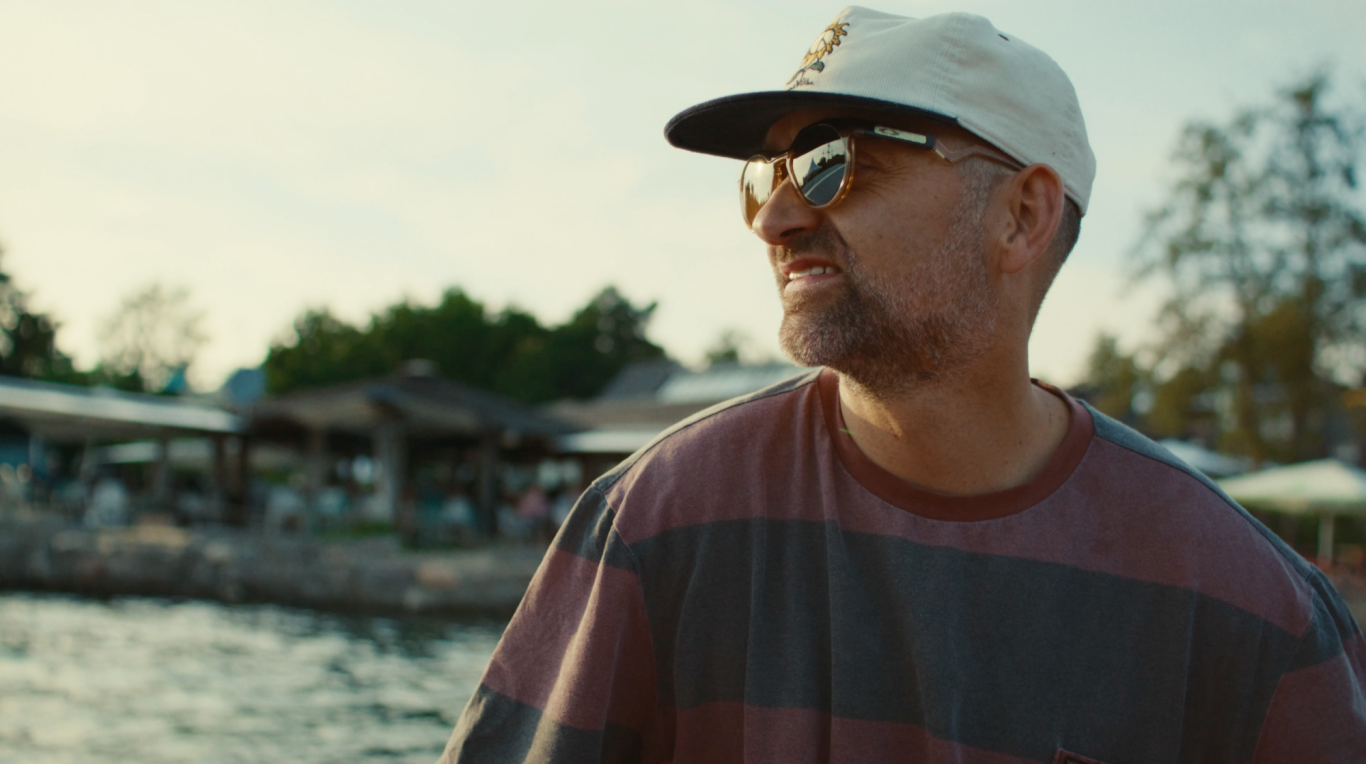
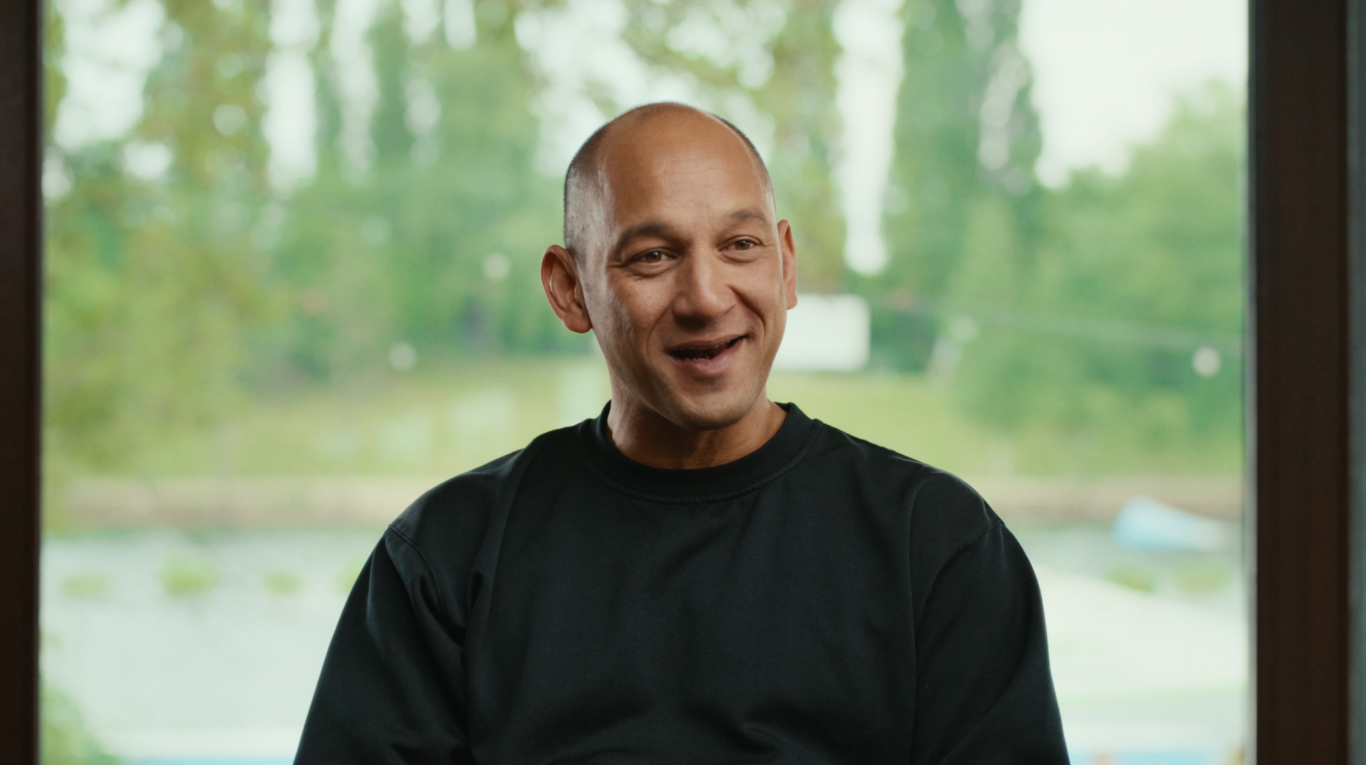
The story really evolved during the interviews and shoots. We filmed the first four main interviews with Benni, Flori, Hannes and Konny fairly early on. It became obvious very quickly that those four would carry the film because they were closest to the history and the evolution of the place.
Everything else slowly built itself around that.
And honestly, that process was beautiful and overwhelming at the same time.
Every interview opened new doors. New stories. New perspectives. New emotional layers. Sometimes it felt like individual people deserved entire films of their own. That’s also when we realized how difficult it actually is to keep focus on a project like this.
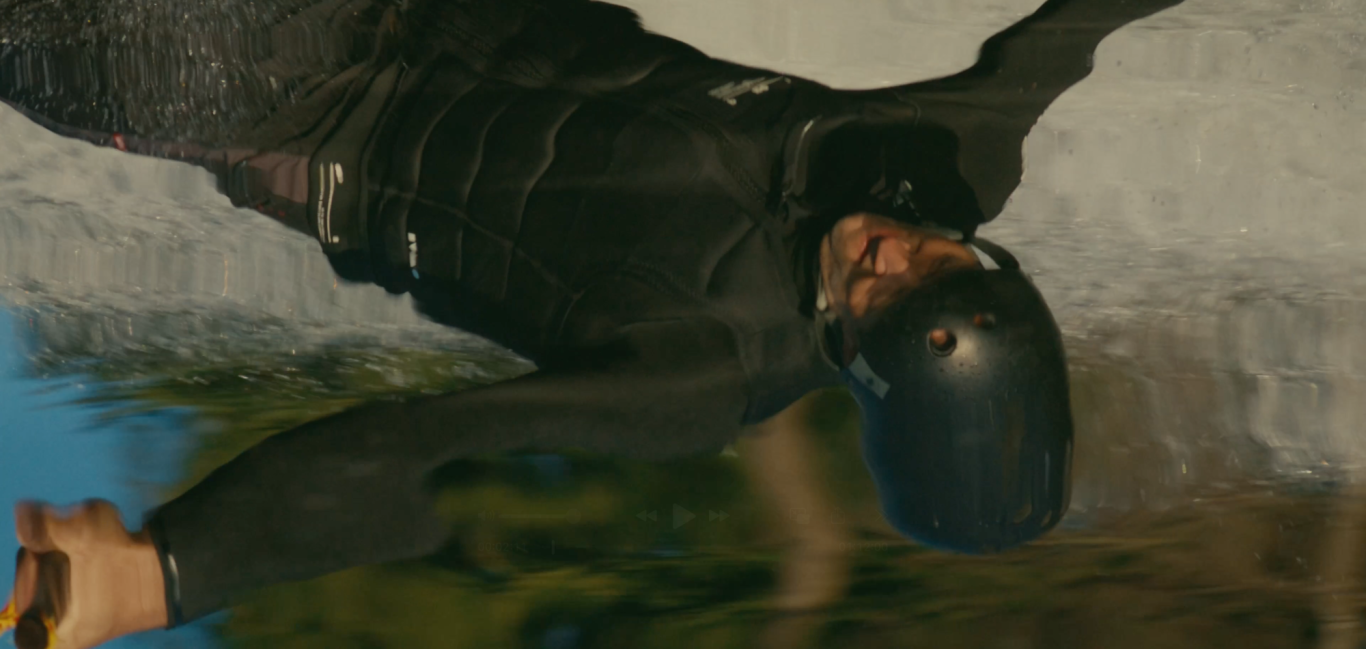
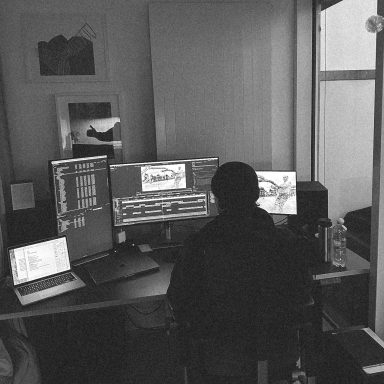
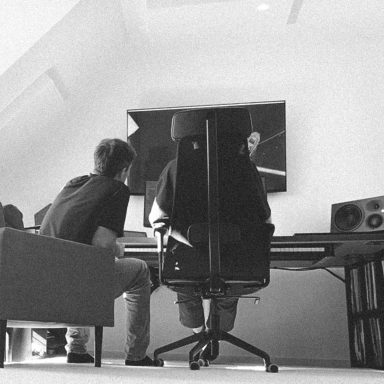
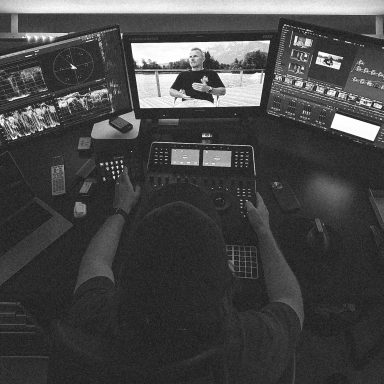
Andy had to be extremely disciplined in the edit so we wouldn’t completely lose ourselves in all the material. Many amazing interviews and emotional moments didn’t make it into the final cut — not because they weren’t good, but because there was simply too much strong material. But those moments still live in our heads. What I loved most about the process was that the film constantly existed somewhere in my mind. Shotlists were sometimes written weeks later or directly on location. A lot of the time I just had a feeling for a scene or a moment and knew: “We still need this.” I’m pretty sure that drove Andy crazy at times because understandably, he wanted to know more specifically what we were actually shooting.
But honestly, a lot of the best parts of the film came out of exactly that.
Why Andy Was So Important to This Film
To this day, I’m incredibly grateful that Andy was part of this project.
Not just because of our history together, but because we balanced each other out perfectly during the entire production. I emotionally dove completely into the subject. Andy often had the calmer and more technical perspective on everything — and that was incredibly important. He handled an insane amount of things behind the scenes: technical prep, gear, editing, structure, data management and what felt like a thousand other details most people will never even notice. And throughout the process, I always knew:
If Andy prepared something, it would work.
That took a huge amount of pressure off me. Without him, the film would either have become something completely different or maybe never happened at all. I also think Andy consciously tried not to get as emotionally consumed by the project as I did. Through previous projects, he already understood how demanding a film like this can become over months and months of work.
I just went all in.
The film was constantly running somewhere in my head. Even when we weren’t shooting, I kept thinking about scenes, music, transitions and emotional moments.
And that’s exactly why it was important to have someone around who could sometimes pull me back a little and make sure we didn’t completely disappear inside our own vision.
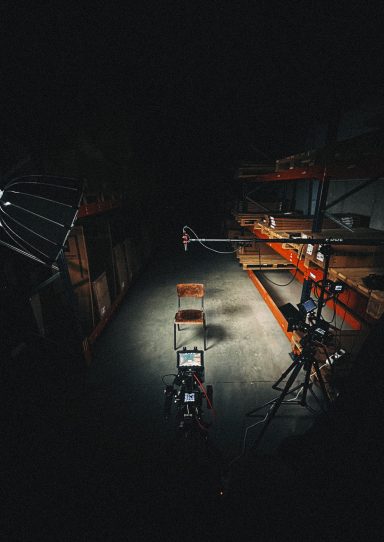
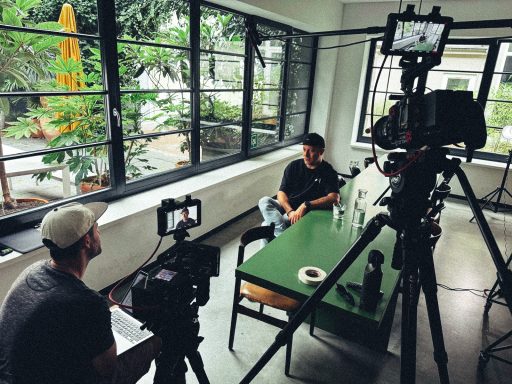
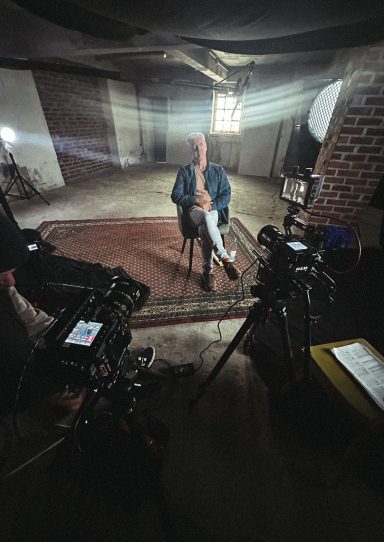
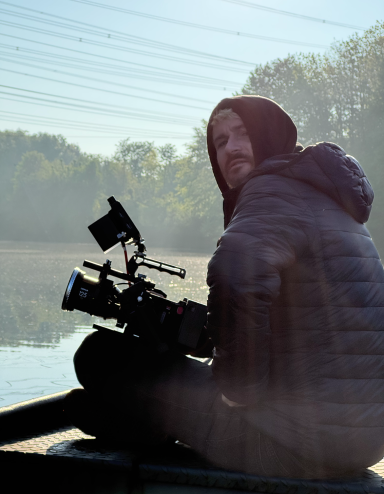
Why the Film Was Told in a More Quiet Way
Visually, we intentionally wanted to create something calmer. Not slow or boring. Just not overloaded.
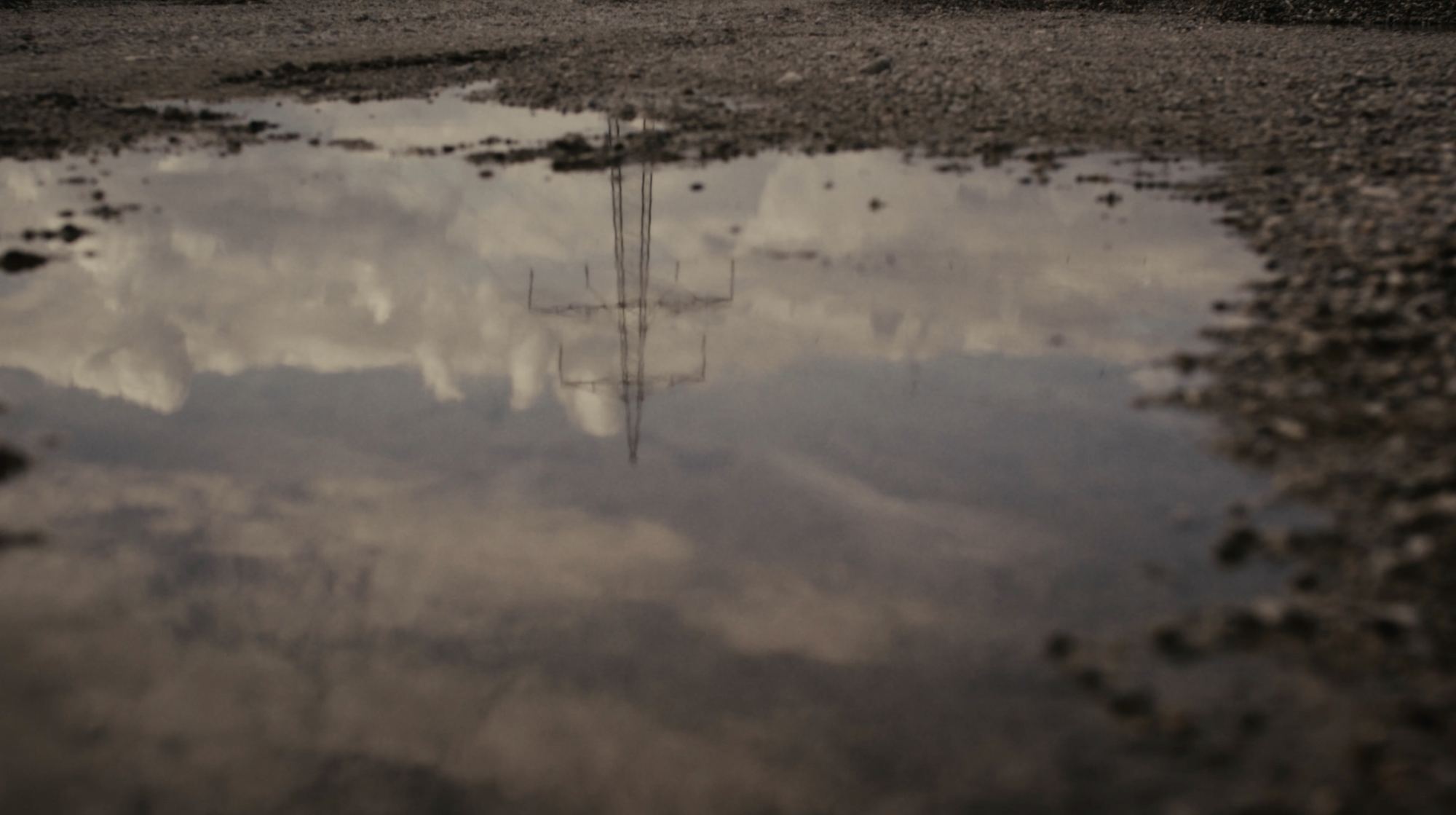
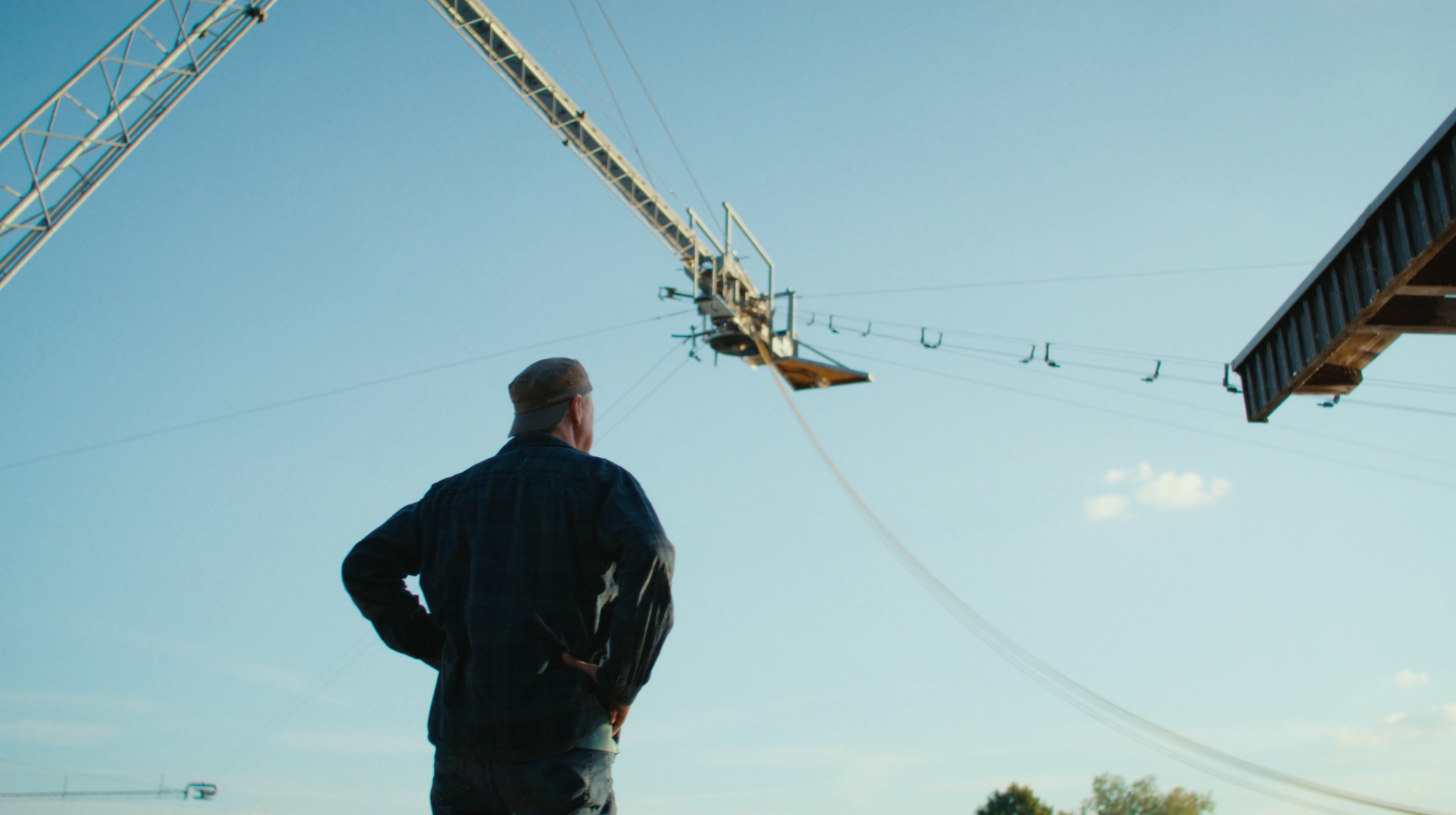
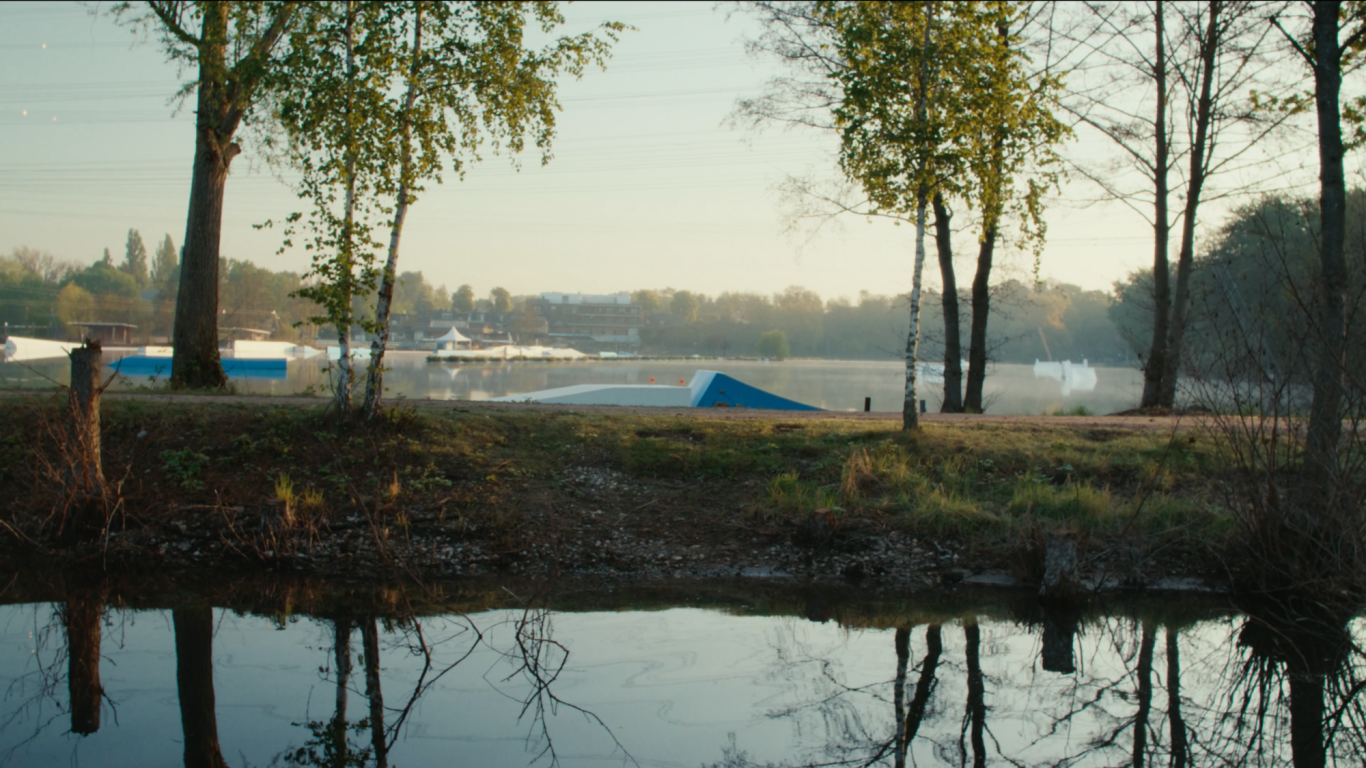
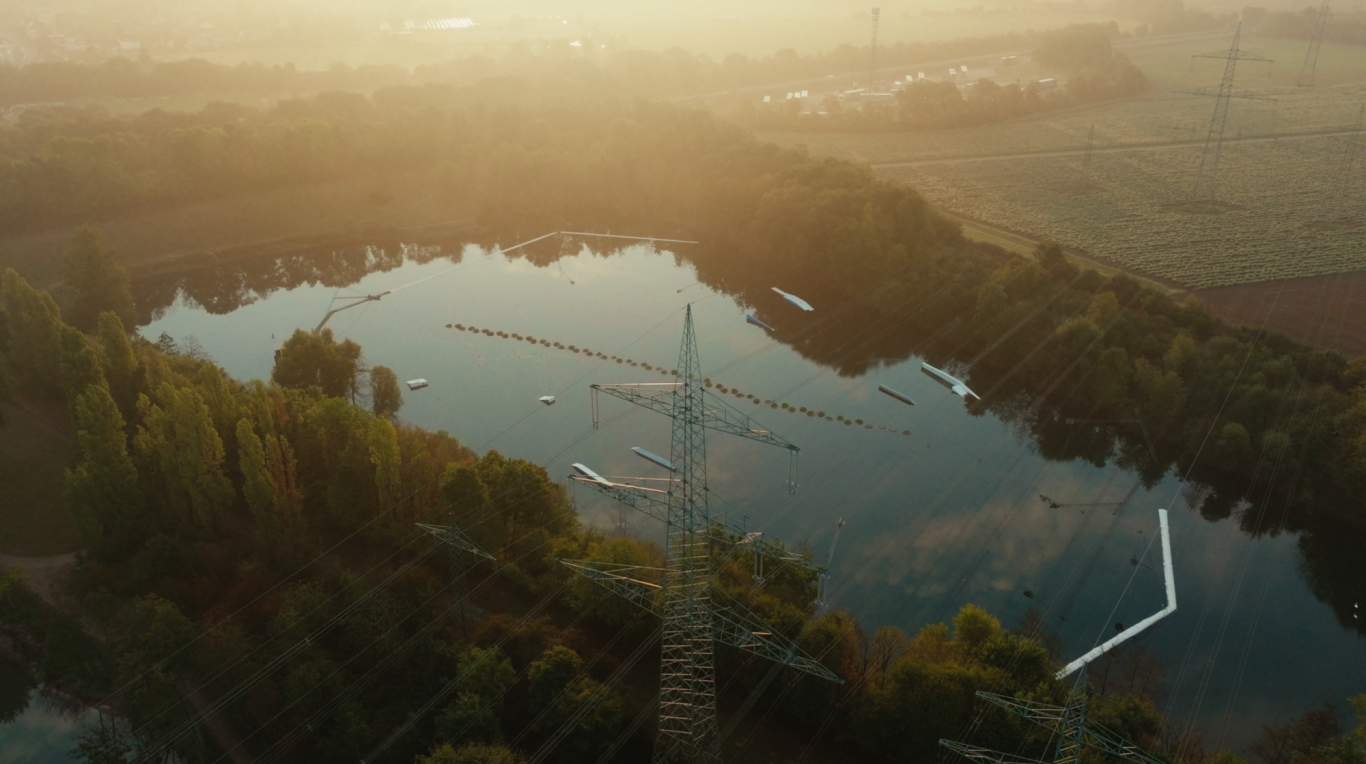
At some point, I realized I had become tired of constant fast-paced visuals and nonstop overstimulation. And this story would never have worked for me if everything had been loud and hectic. Anyone who has ever been at Wasserski Langenfeld — or honestly at any cable park — early in the morning probably knows that feeling. The park is quiet. Barely anyone is there. Everything is still, but the place already has its own energy somehow. That was exactly the feeling we wanted in the film.
The empty moments. The water surfaces. The fog. The slower observations. Scenes that simply take their time.
Maybe also as a contrast to the chaos and movement that builds up during the day. But for me, this wasn’t just about pretty visuals. Taking your time also means actually noticing things. Otherwise everything rushes by and suddenly 50 years are gone. And honestly, that’s what the film is really about for me:
looking back, accepting change, passing things on, staying open to new phases of life and not holding onto something too tightly forever. Those topics go far beyond wakeboarding.
My Own Connection to Langenfeld
I first came to Langenfeld when I was around 14 years old.
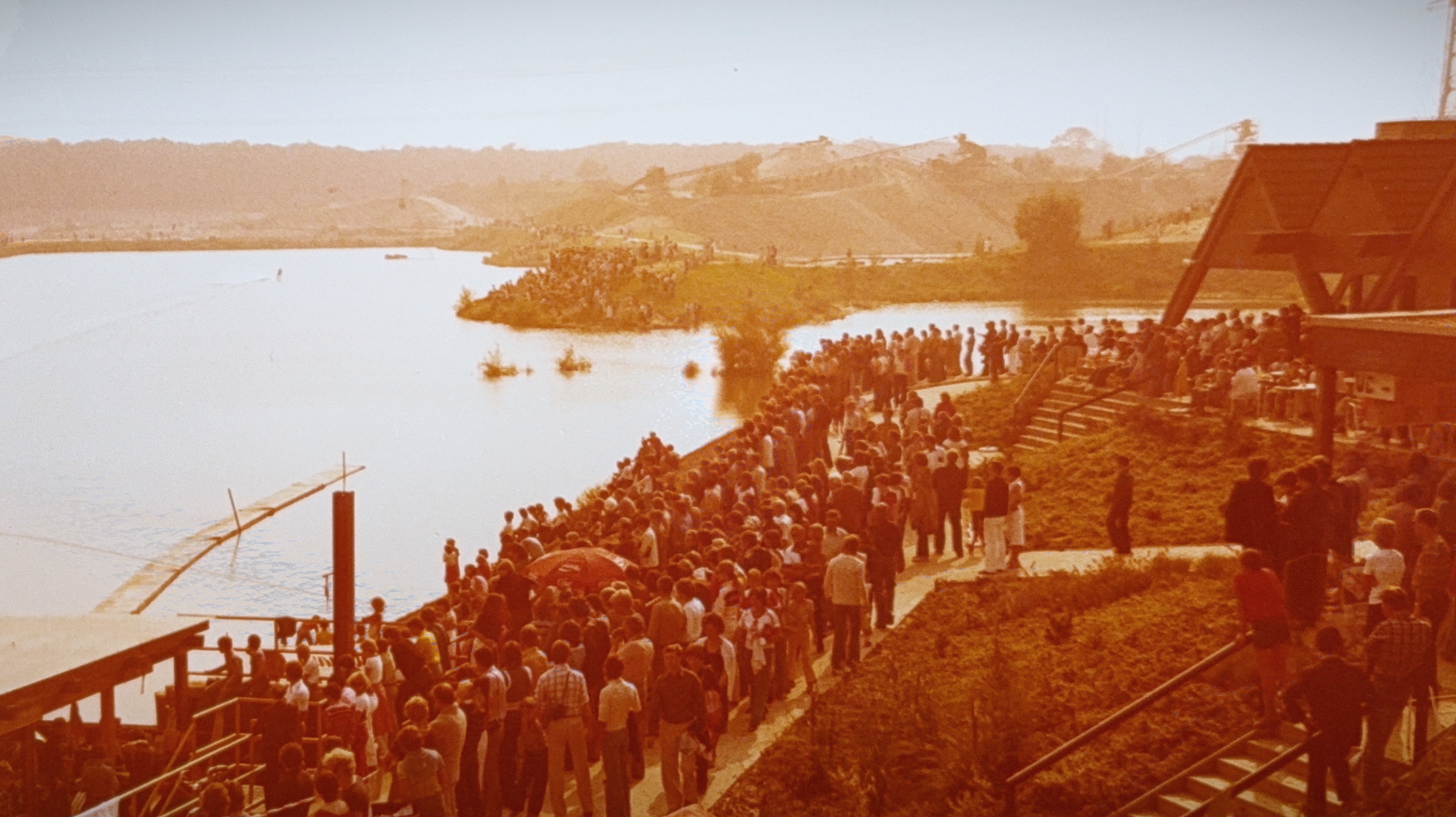
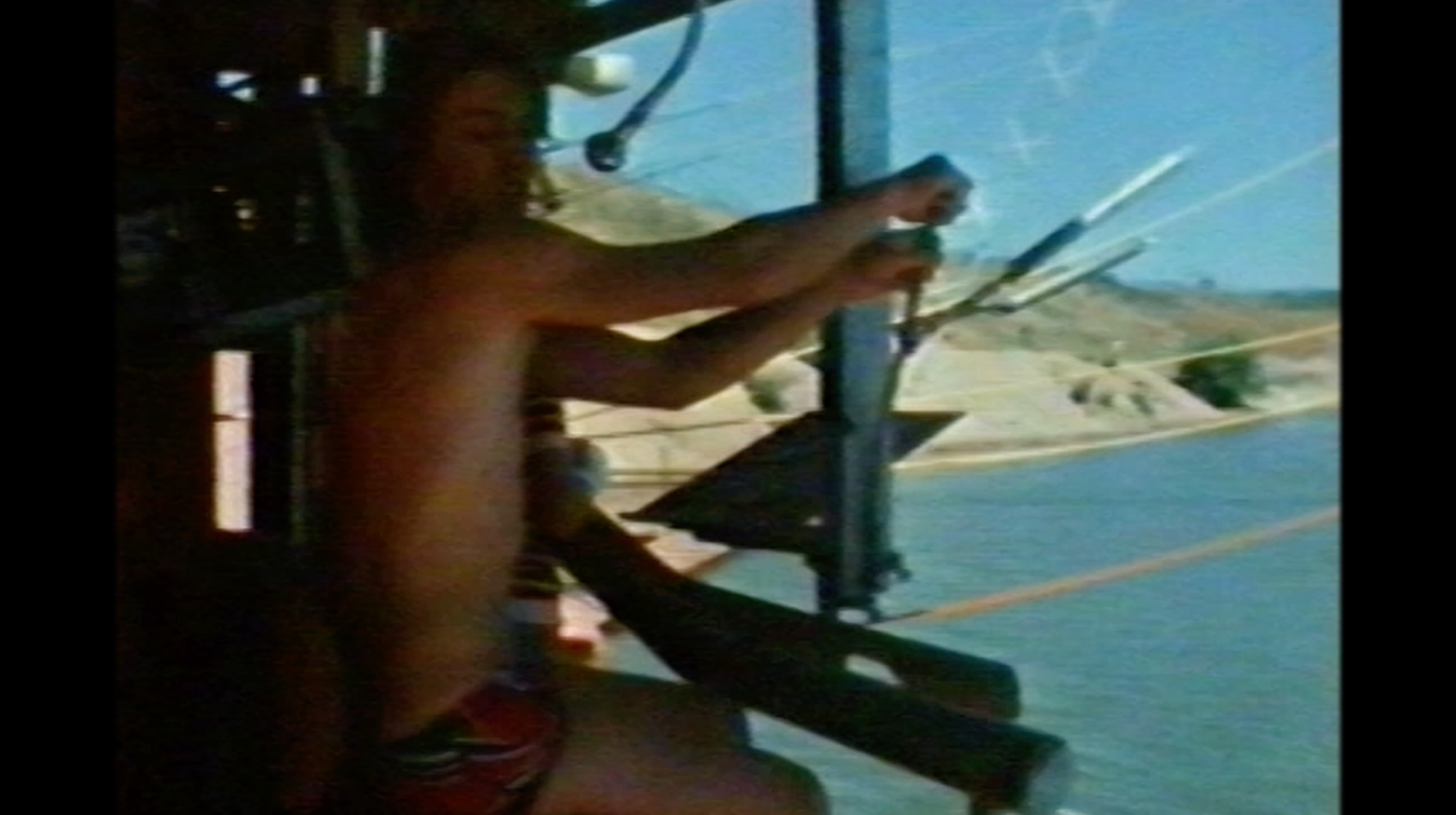
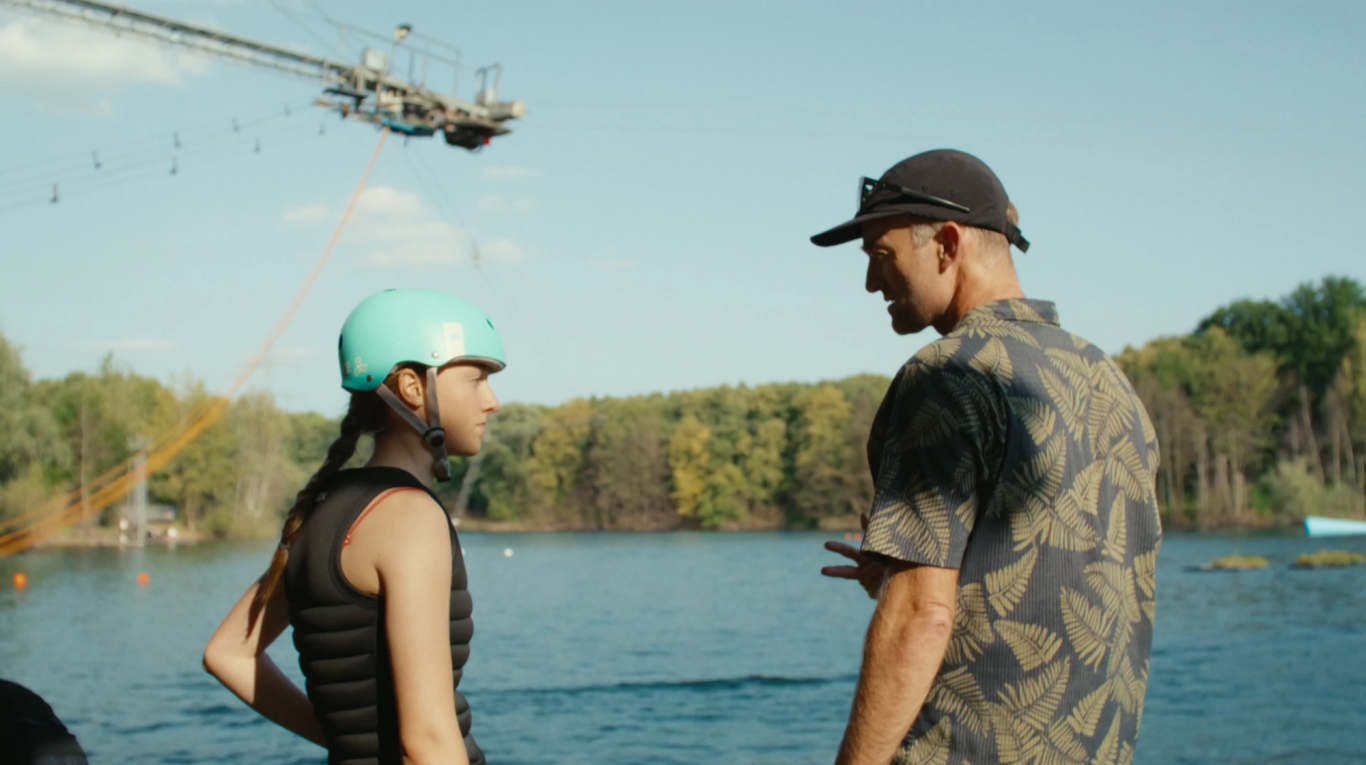
Because back then everyone just said: “You have to go there.” So I got into a car and spent a week there. And that week probably shaped me far more than I understood at the time. Coincidentally, Bigtime shoots were happening during that exact period and somehow I managed to convince Benni and Flo to point the camera at me too. At the time, that felt completely surreal. And exactly those kinds of memories kept coming back while working on this film. Not just because of the interviews or the people, but because of the place itself. Through different projects over the years, I already knew almost every corner of Wasserski Langenfeld. During this production, even more so. The family photo archive. The attic. Old photos and stories from decades ago. At some point you realize a place like this is made up of much more than just a waterski facility. And I think that’s exactly why the project hit me emotionally so hard. Because it also reminded me of my own life. Certain phases. The passing of time. But also how special it is to find something you can fully immerse yourself in.
Something that simply feels right.
The Edit and the Moment It Suddenly Became a Real Film
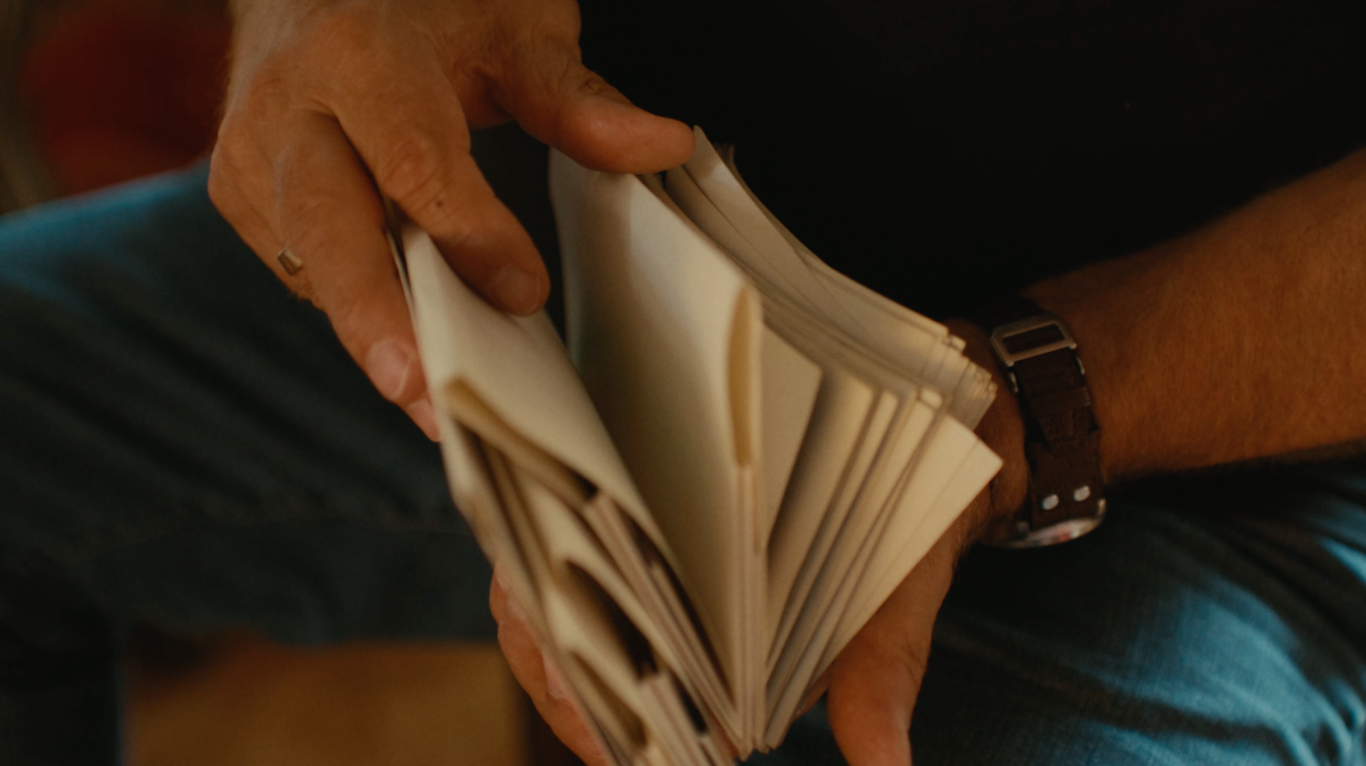
The first rough cut basically consisted of nothing but interviews.No big visual world yet. Partly no B-roll at all. Just organizing statements and seeing what worked. And that became our foundation. The funny thing was: Even in that roughest possible version, Benni and Flo already loved the direction. That’s when the core of the film suddenly became visible:
which statements absolutely had to stay, which themes kept repeating themselves and which emotions actually worked.
From there, things slowly became clearer. Music was extremely important to us throughout the process.
We spent countless hours on Artlist searching for the right tracks. Not just “epic music,” but songs that gave scenes room to breathe and actually felt honest. One song, however, didn’t come from there.
The Young Brother track came through my old friend Jeff McKee. And for me personally, that was really special because I connect that music to a lot of memories from my early filmmaking years. So thank you again for that.
The first moment where I truly thought:
“Okay… we actually have a real film here.”
… happened after one of Andy’s early rough cuts.
I wrote Benni and Flo an email saying that this was becoming much more than just an anniversary film. For me, even that unfinished version already felt like a movie. I could already see the missing pieces, the colors, the sound design — everything. A few weeks and versions later, Benni finally replied with:
“It’s a fuckin’ movie.”
And honestly, that’s exactly what it started to feel like.


The Doubts Never Really Left
The questions were there throughout the entire process.
Are we doing this right?
Are we doing justice to the story?
To the people around the lake?
To the family that built all of this?
Of course those thoughts existed. Not because we didn’t trust ourselves, but out of respect for the subject.
The project itself never really felt “too big” for us. But I still think it’s crazy that we managed to make this film as a team of two.
Multiple Versions of the Script.
Over 30 interviews.
A huge Archive.
10 weeks of shooting spread across months.
5 months of post production.
70 minutes of film.
When I think about it now, I’m honestly just proud of us. The biggest fear was never losing ourselves — it was losing the vision. Whether all of this really made sense. Whether people would feel what we felt while making it. And that’s exactly why the first public screenings were so overwhelming for us.
The reactions already showed us that we created something that connects with people on a very personal level. And honestly, it still all feels a little surreal. I really want to watch the film myself again in Langenfeld at the end of August.
Release: End of the 2026 Season
At this point, we simply want to thank everyone who trusted us and trusted this film.
The Süß family for giving us the freedom to tell this story in our own way.
All of the interviewees who opened up, shared memories and allowed us to be part of their stories.
And of course everyone who helped carry this project in their own way.
Special thanks to Martin Linka, Adrian Honsberg and Elias Hakenberg for sound, grading and graphics. A lot of things in the final film may feel effortless — but they absolutely aren’t. You played a huge role in making the film not only something people watch, but something they genuinely feel.
Thank you.